
Top Choices for Effective Sidewalk Snow Removal Equipment
Explore leading tools designed to make sidewalk snow clearing efficient, safe, and hassle-free during winter months.
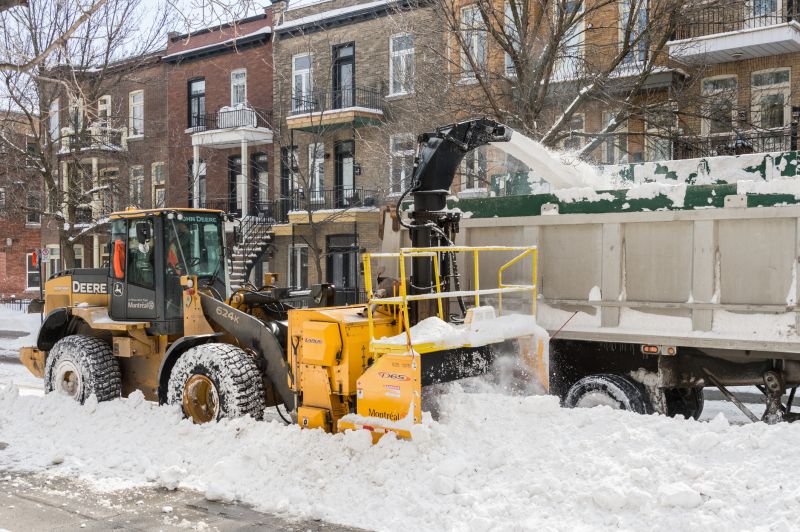 During winter months, keeping sidewalks clear of snow is essential for safety and accessibility. A variety of products are available to assist with sidewalk snow removal, ranging from manual tools to powered equipment. Manual tools like shovels and snow rakes are popular for their simplicity and affordability, allowing users to clear snow without the need for electricity or fuel. For larger areas or heavier snowfall, powered options such as snow blowers and electric snow throwers can provide more efficient and less physically demanding solutions. These devices come in various sizes and power levels, making it possible to select a product suited to different property sizes and snow conditions.
Top Overall Option
Multi-Function Snow Removal Tool
A versatile snow removal tool that combines a sturdy snow pusher, an adjustable snow rake, and a lightweight handle system. Designed for ease of use, it allows users to clear snow efficiently from sidewalks with minimal effort. Its ergonomic design reduces strain, and the adjustable features make it suitable for various snow conditions and user heights.
Types of Products For Sidewalk Snow Removals
Manual Snow Shovels
Traditional snow shovels with ergonomic handles and wide scoops for easy snow lifting and moving.
Snow Rakes
Long-handled tools designed to remove snow from rooftops and sidewalks without excessive bending.
Snow Pushers
Wide, flat tools ideal for pushing snow across large areas with minimal effort.
Electric Snow Blowers
Powered devices suitable for clearing moderate to heavy snow from sidewalks efficiently.
Gas-Powered Snow Blowers
More powerful options for larger areas and heavier snowfall, requiring fuel and maintenance.
Battery-Powered Snow Throwers
Cordless options offering mobility and convenience for medium-sized snow removal tasks.
Snow Melting Mats
Electric mats that generate heat to melt snow and ice on sidewalks automatically.
Ice Scrapers and Chisels
Tools for breaking up ice patches and clearing stubborn snow accumulations.
Snow Brooms
Soft-bristled brooms designed for sweeping away light snow and ice from surfaces.
Snow Plows
Attachable plow blades for vehicles or handheld models to push snow from sidewalks.
Handheld Snow Shovels
Compact shovels suitable for small or hard-to-reach areas.
Snow Scoops
Lightweight tools designed for quick snow removal in tight spaces.
Snow Blower Attachments
Accessories compatible with existing equipment to enhance snow removal capabilities.
Ice Melt and Deicers
Chemical solutions to prevent ice formation and facilitate snow melting.
Snow Clearing Robots
Automated devices designed to navigate and clear snow from sidewalks with minimal human intervention.
Popular Choices
Widely used for their ease of operation and quiet performance, suitable for moderate snowfalls.
A common choice for small properties and light snow conditions, valued for affordability and simplicity.
Popular for their cordless convenience and portability, fitting medium-sized snow removal needs.
Favored for roof and sidewalk snow removal, especially in areas with frequent snowfall.
Effective for moving snow across large flat surfaces with less physical effort.
Growing in popularity for their automatic snow melting capabilities without manual labor.
Chosen for larger properties and heavier snow, offering high power and efficiency.
Preferred for quick sweeping of light snow and ice from walkways and steps.
Commonly used for breaking ice patches and clearing stubborn snow accumulations.
Popular for small areas and quick snow removal in tight spaces.
Emerging as a convenient, automated solution for snow removal in accessible areas.
When choosing a snow removal product, consider factors such as the typical snowfall amount, the size of the sidewalk, storage space, and ease of use. Lightweight tools are easier to maneuver but may require more effort for heavy snow. Conversely, powered equipment can handle larger accumulations with less physical strain but often come at a higher cost and may require more storage space. Safety features, such as adjustable handles, ergonomic designs, and snow chute controls, enhance usability and reduce fatigue during extended use. Proper maintenance and storage are also important to prolong the lifespan of these tools.
Investing in the right snow removal products can make winter maintenance more manageable and efficient. Whether opting for simple manual tools or advanced powered devices, understanding the specific needs of your property will help in selecting the most appropriate solutions. Regular use of suitable equipment can help maintain safe, accessible walkways throughout the snowy season, reducing the risk of slips and falls and ensuring compliance with safety standards.
Key Buying Considerations
- Assess the typical snowfall amount in your area to determine the power and capacity needed.
- Consider the size of your sidewalk and surrounding space to select appropriately sized tools or machines.
- Evaluate the weight and maneuverability of manual tools for ease of use, especially for extended periods.
- For powered equipment, check the motor or engine power to ensure it can handle your snow conditions.
- Look for adjustable features such as handles, chute direction, and height settings for customized operation.
- Consider storage space requirements, especially for larger or powered equipment.
- Review safety features such as ergonomic grips, safety switches, and stability to prevent accidents.
- Factor in maintenance needs and ease of cleaning for mechanical devices.
- Determine whether electric, battery, or gas-powered options align with your preferences and convenience.
- Check for availability of replacement parts and accessories to extend the lifespan of your tools.
- Think about noise levels if you'll be using equipment in noise-sensitive areas.
- Evaluate the ease of assembly and setup before purchasing.
- Consider budget constraints while balancing features and durability.
- Look for user reviews and ratings to gauge real-world performance and reliability.
- Ensure compatibility with existing storage and handling equipment.